Korean Holidays Explained for Travellers, Expats and Teachers
If you live or work in South Korea, you’ll quickly hear people talking about “Red Days”. These are South Korea’s official public holidays, when most offices, schools, and public institutions close, giving workers a guaranteed day off.
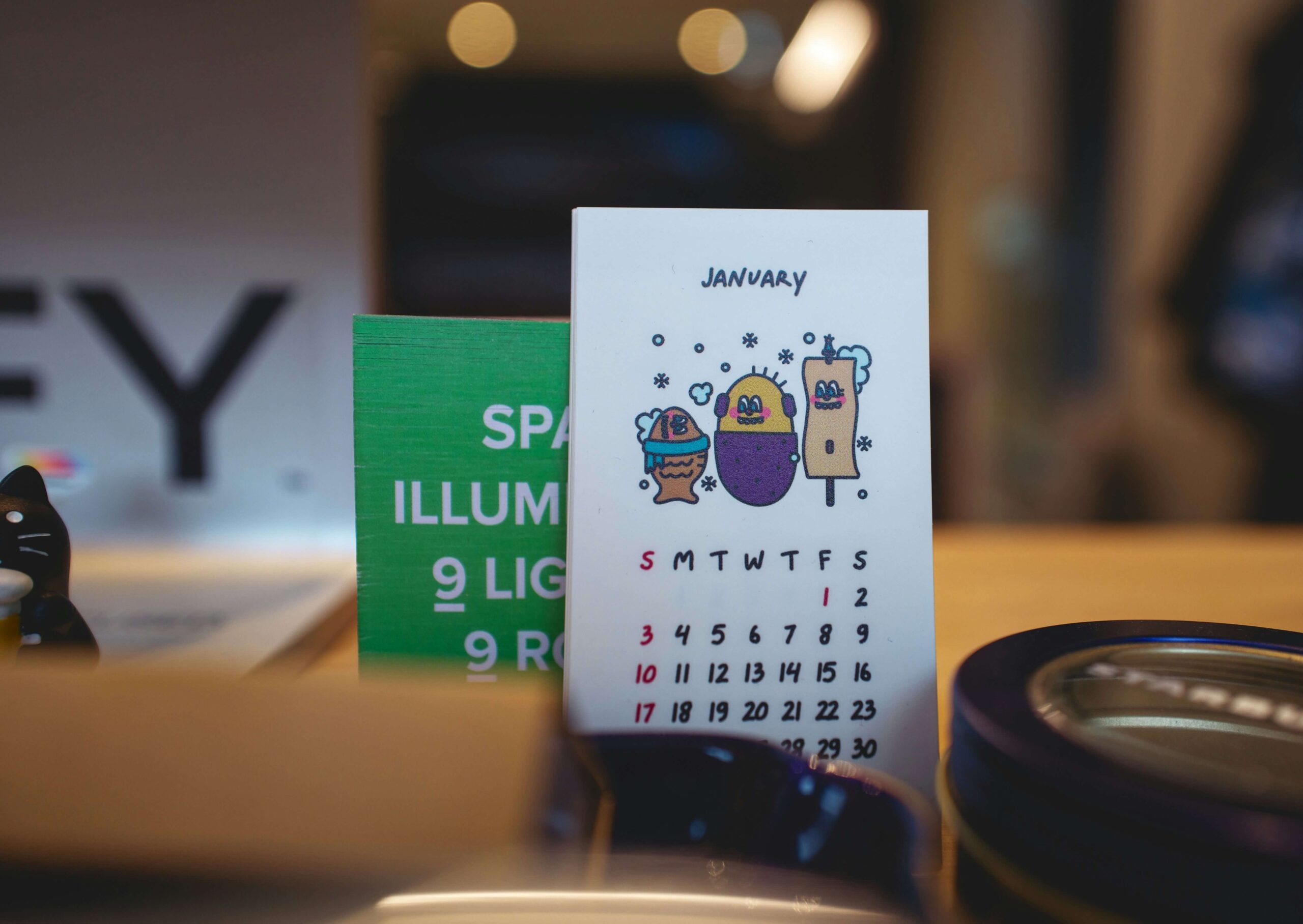
Red days are easy to spot on a Korean calendar: the date is written in red, which is where the name comes from.
While some one-off days off (such as election days) can also give you time away from work, Red Days are fixed Korean holidays that happen every year. Knowing when they fall is useful if you are:
- living in Korea
- working in public schools/ organizations
- planning travel around busy holiday periods.
Not all Red Days work the same way. Since a law change in 2021, some holidays that fall on weekends are observed the following weekday, while others are not. Below, I’ll explain each Red Day and whether it comes with a substitute holiday, so you can be as prepared as you can be for your time in Korea.
Quick Summary: Red Days in Korea
- Red Days are South Korea’s official public holidays
- They are marked in red on Korean calendars
- Most public offices and schools close
- Some Red Days include substitute holidays if they fall on weekends
Major Korean holidays (Seollal & Chuseok) significantly affect travel.
All Red Days in Korea
New Year’s Day (January 1st)
New Year’s Day is a national holiday in South Korea, although New Year’s Eve is not. Unlike in the UK, Korean schools usually don’t start their winter break until early to mid-January, so January 1st may be a single day off rather than part of a longer holiday.
Traditionally, Koreans eat tteok-guk (rice cake soup) on New Year’s Day, so make sure to try it if you’re visiting over New Year. There’s also a cultural belief around age at New Year; Koreans count their age differently to other countries, so you are one year old when you’re born and age up every New Year’s Day. So, if you had a baby on New Year’s Eve, your baby would be two years old the next day!
If you’re looking for New Year’s Eve celebrations, areas like Itaewon, Hongdae or Jongno in Seoul tend to have countdown events. However, many Koreans prefer a quieter celebration at home or waking early to watch the first sunrise of the year, which is considered symbolic and lucky. This is a tradition I’ve now adapted myself and there really is nothing as peaceful and revitalizing as watching the dawn of a fresh new year – why not give it a try yourself?
Substitute Holiday: No
Seollal/ Lunar New Year (Late January - Early February)
Seollal, the Korean Lunar New Year, is one of the most important Korean holidays. It usually falls between late January and early February, depending on the lunar calendar.
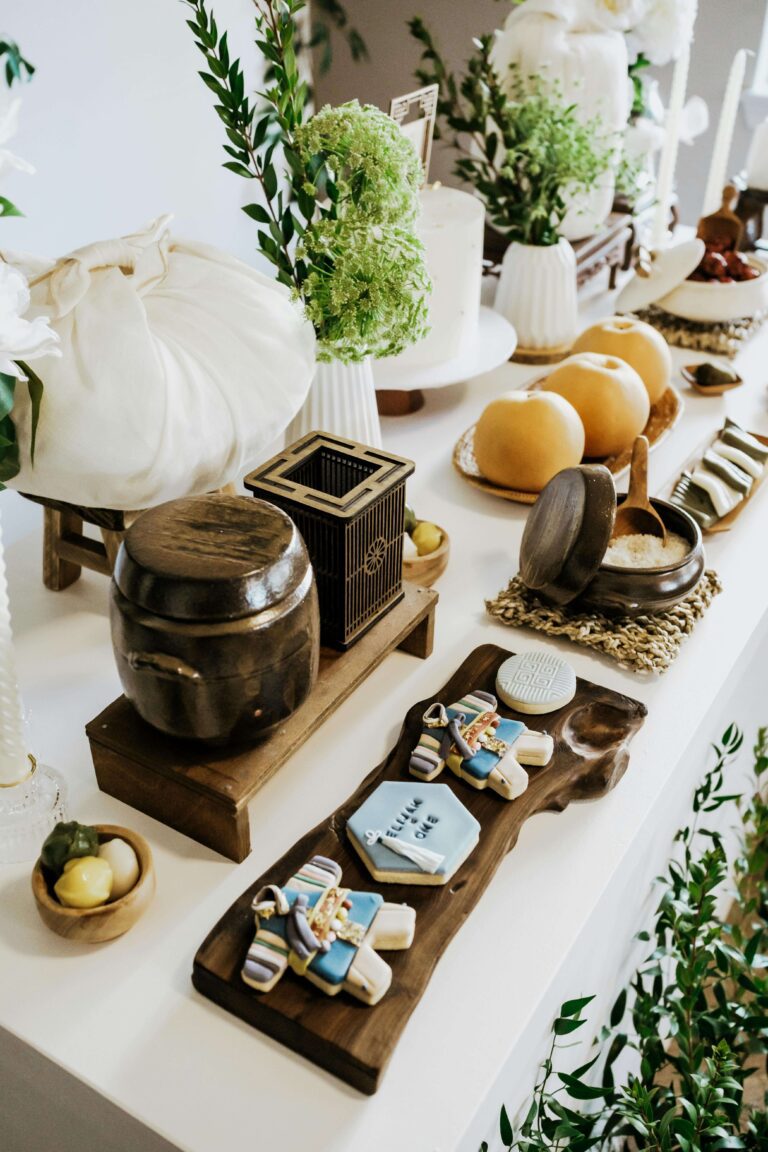
Families traditionally gather at the home of the eldest male family member, sharing meals and often staying overnight. Many families perform Charye, an ancestral memorial ceremony, in which food is presented as an offering to the family’s ancestors and departed family members and then eaten after bowing to their portraits. Children take part in Sebae, bowing to elders and receiving money in return. Some people also choose to wear hanbok, traditional Korean clothing.
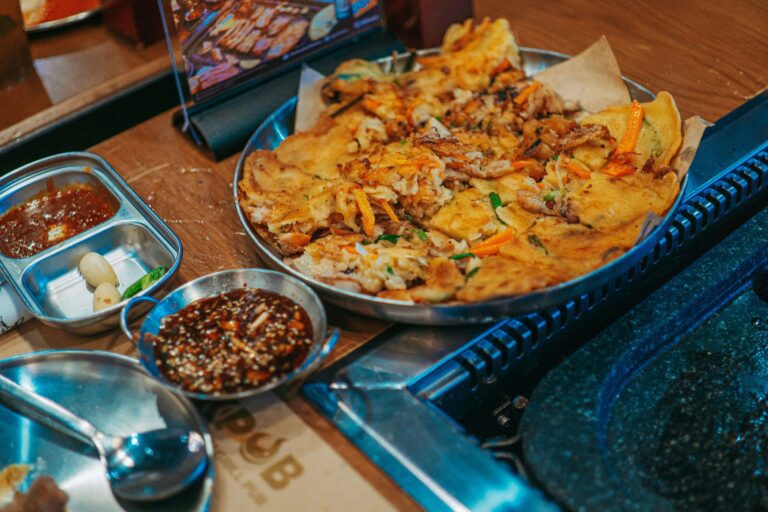
A common holiday food is jeon (savory pancakes), made with ingredients like kimchi, green onion, or seafood.
If Seollal falls on a weekend, a substitute holiday is given, meaning you can get up to four to five consecutive days off. However, most businesses close and transport becomes extremely busy, so it’s best to avoid travelling during Seollal unless you plan to stay put (or travel the evening before Seollal with the rest of the mob if you’re going to do a staycation.) This is especially important for solo travellers, as transport sells out quickly and accommodation options become limited.
In recent years, many businesses in touristy areas of Seoul have remained open, and some museums, palaces and tourist attractions even do special events during this time. Just be aware that opening and closing times are unpredictable.
Substitute Holiday: Yes
Independence Movement Day (March 1st)
Independence Movement Day commemorates the nationwide protests that began on March 1st, 1919, during the Japanese occupation of Korea (1910-1945). Thirty-three independence activists were arrested for publicly declaring Korea’s independence, sparking mass demonstrations across the country.
This day honours the resistance movement that eventually led to Korea’s liberation. You may see flags displayed and commemorative events held nationwide.
Substitute Holiday: No
Buddha’s Birthday (around April or May)
Buddha’s Birthday is based on the lunar calendar and usually falls in April or May. Buddhism has deep historical roots in Korea as one of the oldest religions in the region, and many towns and cities are home to centuries-old temples.
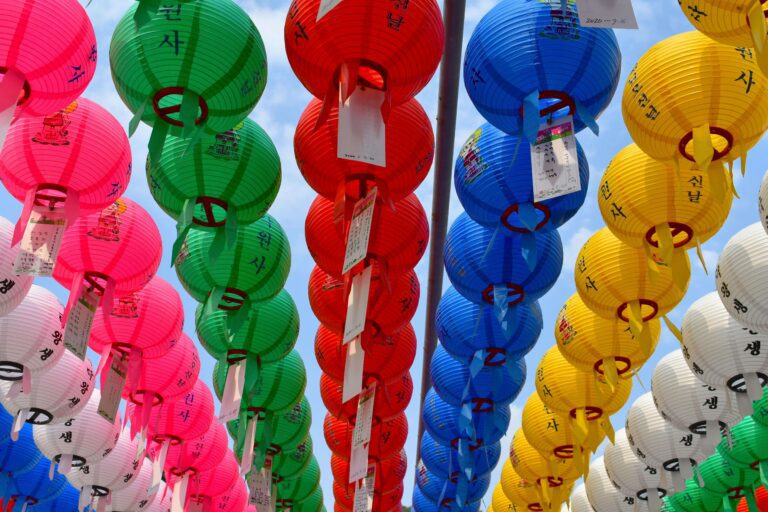
On this day, temples are decorated with colourful lanterns, and visitors may enjoy temple food such as bibimbap (vegetable-topped rice with spicy gochujang sauce), often prepared by monks.
Unfortunately, if Buddha’s Birthday falls on a weekend, there is no substitute holiday, but it’s a peaceful and culturally rich day off when it lands on a weekday. If you’re visiting Korea during this time, take a trip to the nearest temple to see the celebration in action.
Substitute Holiday: No
Children’s Day (May 5th)
Children’s Day always falls on May 5th and is dedicated to children spending time with their families. Originally, back in the 1920’s, it was a day in which the youngest generation of Koreans were taught about their heritage by their elders, in order to preserve it whilst under Japanese rule. These days, with parents’ long working hours and children’s busy school schedules, this day is seen as an important chance for rest and fun.
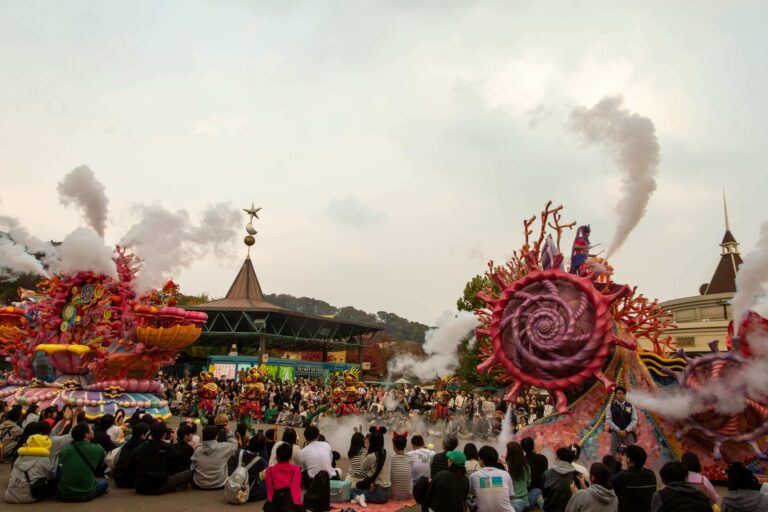
Parents often take their children to amusement parks, museums, or outdoor attractions – making it one of the busiest travel days in spring. Solo travellers and tourists should expect larger crowds at family-friendly attractions on this day. Children’s Day always comes with a substitute holiday if it falls on a weekend.
Whilst not Red Days, Parents Day (on the 8th May) and Teachers Day (on the 15th May) are also Korean holidays celebrated around this time. Parents will receive carnations from their children, while teachers may receive small handmade gifts, letters or sweets from their students.
Substitute Holiday: Yes
Memorial Day (June 6th)
Memorial Day honours those who died during the Korean War. It’s similar to Remembrance Day in the UK. Sirens sound nationwide, families visit graves, and the President attends a ceremony at the Seoul National Cemetery.
Substitute Holiday: No
Constitution Day (July 17th)
Constitution Day celebrates the adoption of South Korea’s constitution following Japanese rule. Although the constitution was drafted on July 12th, the holiday is observed on July 17th, which also marks the founding of the Joseon Dynasty.
As of February 2026, Constitution Day has been reinstated as a Korean national holiday, making it once again an official Red Day (the last instance being in 2008).
Substitute Holiday: Unclear as of 2026
National Liberation Day (August 15th)
National Liberation Day marks Korea’s liberation from Japanese rule at the end of World War II. It’s one of the most significant public holidays in South Korea and is also celebrated in North Korea.
Korean flags are displayed widely, and public transport is free, making it a popular day to explore locally.
Substitute Holiday: No
Chuseok / Korean Harvest Festival (around September-October)
Chuseok is a three-day holiday often compared to Thanksgiving. Families travel to visit relatives, honour ancestors, and share large meals together. They may also wear hanboks, do Charye or visit the graves of loved ones, leaving offerings there. Most Korean families follow only some of these traditions.
One thing that is almost always a staple of Chuseok though is food. Common holiday foods include songpyeon (sweet half-moon rice cakes) and jeon. Roads and transport systems become extremely congested, and many businesses close. However, it is becoming more and more popular for families to go out to eat or take a trip during Chuseok, so businesses in touristy areas may be up and running to take advantage of this.
If Chuseok falls near a weekend, substitute holidays may extend it to four or even five days off. While travel is possible, it’s best planned carefully and booked in advance. If you’re travelling solo during Chuseok, booking trains and accommodation well in advance is essential.
Substitute holiday: Yes
National Foundation Day (October 3rd)
National Foundation Day celebrates the founding of the Gojoseon Dynasty, Korea’s first kingdom, traditionally dated to 2333 BCE. According to legend, this is the day that Korean civilization came to be, and although originally it was celebrated according to the Lunar Calendar, it is now celebrated by the international calendar every October 3rd.
Substitute Holiday: No
Hangeul Day (October 9th)
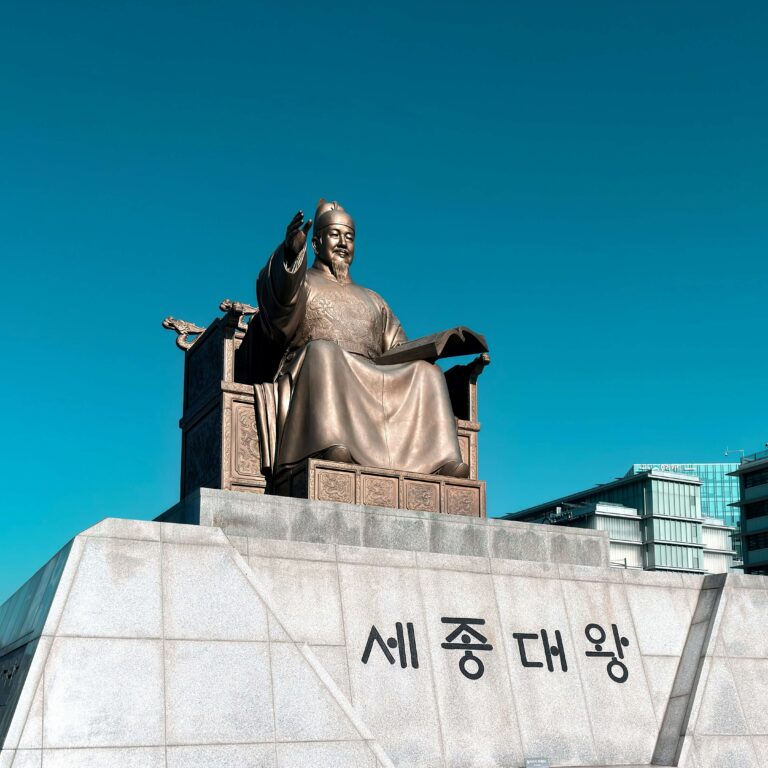
Hangeul Day celebrates the invention of the Korean alphabet by King Sejong in the 15th century. Unlike many writing systems, Hangeul was deliberately designed to be easy to learn; up until this point, Koreans had been using Chinese Hanja, but the symbols were difficult to learn and did not fully represent Korean sounds. The invention of Hangeul made literacy accessible to all social classes, and became the official writing system of Korea in the 20th century.
Today, it’s a point of pride and is always observed with a substitute holiday if it falls on a weekend.
Substitute Holiday: Yes
Christmas Day (December 25th)
As a British person, Christmas is one of the biggest holidays I celebrate every year, but in Korea, the occasion is much more subdued. Christmas Day is a Korean public holiday but Christmas Eve and Boxing Day are not observed.
For many adults, Christmas is seen as a couple’s holiday, similar to Valentine’s Day, while children may receive a gift. These days Christmas decorations in public places like streets and shops are becoming more and more popular, particularly in areas of Seoul like Myeongdong and Jamsil.
Substitute Holiday: No
Bonus Days off in Korea
These days are not technically annual Red Days, but are significant days which may mean a day off work.
Founders Day
If you are a public school English teacher there will be another day off work that is specific to your school – Founders Day. Founders Day celebrates the opening of your school and is usually strategically celebrated on a Monday or Friday to extend the weekend. Depending on your school, you may need to use one of your personal paid vacation days for this.
Election Days
Elections in Korea happen every five years (the latest being 2022) and so voting days will be red days during that year. Election days always fall on a Wednesday. Look out for the roadside campaigners singing, dancing and waving to popular K-pop songs on the lead up to election day.
Understanding Red Days in Korea makes a huge difference when you’re travelling solo, teaching or even living in South Korea long-term; whether that’s planning a weekend trip, booking transport, or just knowing when to expect a quiet (or very busy) day. Once you get familiar with the calendar, these holidays become something to look forward to rather than something that catches you off guard.
If you found this guide helpful, you might also enjoy exploring more about living in Korea, solo travel tips, and practical travel planning advice elsewhere on the blog. And if you’re planning a trip or a longer stay, feel free to bookmark this page so you can easily check back when organising your year.
Happy travels!

Share via: